Anthropic's Amodei Faces White House Friction Amid Unconventional Leadership and AI Safety Concerns
The Architect of Anthropic
Dario Amodei, born in 1983, is a prominent American artificial intelligence researcher and entrepreneur. He co-founded Anthropic in 2021 with his sister, Daniela Amodei, a company widely recognized for its Claude large language model series. Prior to establishing Anthropic, Amodei held the position of vice president of research at OpenAI. His extensive academic background includes studies at the California Institute of Technology, a Bachelor of Science from Stanford University, and both a Master of Science and a PhD from Princeton University. Recognized for his contributions, he was named to the 2025 Time 100 list. Under his leadership, Anthropic has achieved significant success, reaching a staggering $965 billion valuation and positioning itself for an initial public offering.
A Departure Rooted in Trust
Amodei's decision to leave OpenAI and co-found Anthropic was reportedly driven by a "fundamental breakdown of trust." He candidly cited "disturbing patterns of behavior" and "dishonesty" as the primary reasons that made his continued tenure at OpenAI impossible. These remarks offer substantial retroactive context to a series of high-profile departures of safety researchers from OpenAI that have occurred over the past year or two, indicating a deeper cultural shift within the organization.
White House Negotiations and a Change in Approach
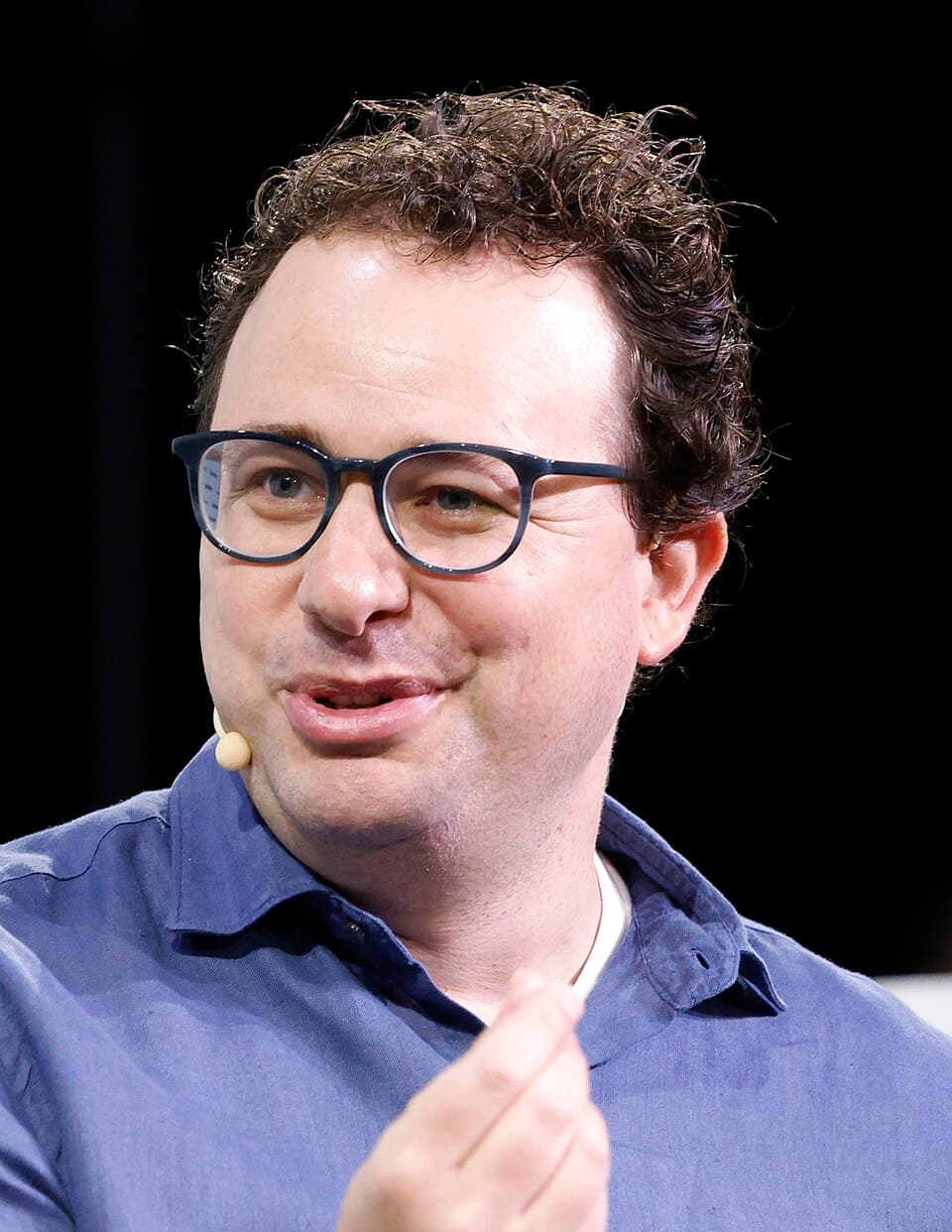
Anthropic has recently been engaged in high-stakes negotiations with the Trump Administration for nearly two weeks, seeking to lift a restrictive export control directive. This directive, implemented on June 12, took Anthropic’s most powerful models, including Claude Fable 5, offline following concerns raised by the National Security Agency. The NSA identified potential methods to disable guardrails and access the more advanced capabilities of the company’s restricted Mythos model. Initial discussions faced considerable challenges, partly attributed to Amodei's involvement. Sources familiar with the White House calls described him as "too difficult to talk to" and someone who "did not listen to their concerns," even referring to him as a "weirdo." Previous reports have characterized Amodei as prone to "ranting" and struggling to "control his emotions," noting his distinct public speaking style, which includes a "trumpet-like speaking voice," frequent arm-waving, and occasionally tilting his head toward the ground. Following his replacement in these crucial meetings by co-founder Tom Brown and public policy chief Sarah Heck, the Trump administration has expressed greater satisfaction with the engagement. Tom Brown, described as having a "nervous nerd speaking style" but a "warmer" and "more traditionally personable" demeanor, is now leading the discussions alongside Sarah Heck, whose style is perceived as "enthusiastic, on-message, disciplined, and cautious." The ongoing talks, which involve both high-level officials and technical working groups, are focused on establishing the level of proof Anthropic must provide to alleviate the administration's concerns about potential jailbreaks of Fable 5. This comes amidst a growing consensus among independent cybersecurity experts that AI model guardrails are often only temporary solutions. The timeline for re-deploying Fable 5 remains uncertain.
An Unconventional Leadership Model
Amodei employs a highly unconventional management structure at Anthropic, a startup that has grown rapidly to manage over 2,000 employees. He directly manages only one individual: his chief of staff. All other senior leaders and the majority of the firm's workforce report to his sister and co-founder, Daniela Amodei, who serves as the company's president. Dario Amodei describes this arrangement as "incredibly freeing," as it allows him to concentrate on critical operational stressors, such as high-stakes negotiations with the Pentagon over AI safety, which included meetings with Defense Secretary Pete Hegseth. This contrasts sharply with the average CEO, who typically manages around 10 direct reports, or figures like Nvidia CEO Jensen Huang, known for overseeing approximately 60 direct reports.
Amodei's unique leadership and communication style, while potentially enabling focused strategic work, appears to have created friction in critical external engagements, suggesting a complex interplay between founder personality and corporate diplomacy in the rapidly evolving AI landscape.
This digest was compiled from:
- https://en.wikipedia.org/wiki/Dario_Amodei
- https://www.reddit.com/r/artificial/comments/1u8zigf/anthropic_ceo_dario_amodei_goes_completely_candid
- https://nypost.com/2026/06/25/business/anthropics-weirdo-ceo-dario-amodei-replaced-by-co-founder-in-high-stakes-white-house-meetings-report
- https://www.wired.com/story/the-trump-white-house-is-over-anthropics-dario-amodei
- https://gizmodo.com/anthropics-white-house-negotiations-are-reportedly-on-track-after-weirdo-dario-amodei-was-replaced-2000777207
Share this digest
People Also Read
- Three ETFs Likely to Add Anthropic Following Its October IPO
Anthropic’s $2 trillion IPO could land it in major ETFs within weeks, offering investors indirect early exposure.
- Anthropic unveils Claude Opus 5.5 with 40% lower cost and faster output
Anthropic’s Claude Opus 5.5 cuts usage costs by 40 % while matching top‑tier performance, signaling a competitive push for cheaper, faster AI models.
- Anthropic’s 950 Claude Agents Identify CRISPR‑Style Enzyme System, Opening New Biological Research Path
Anthropic’s 950 Claude agents discovered a CRISPR‑style enzyme system in 21 hours, marking a tangible AI contribution to biology ahead of its IPO.
Share your thoughts
Reactions, corrections, or insights — all welcome.