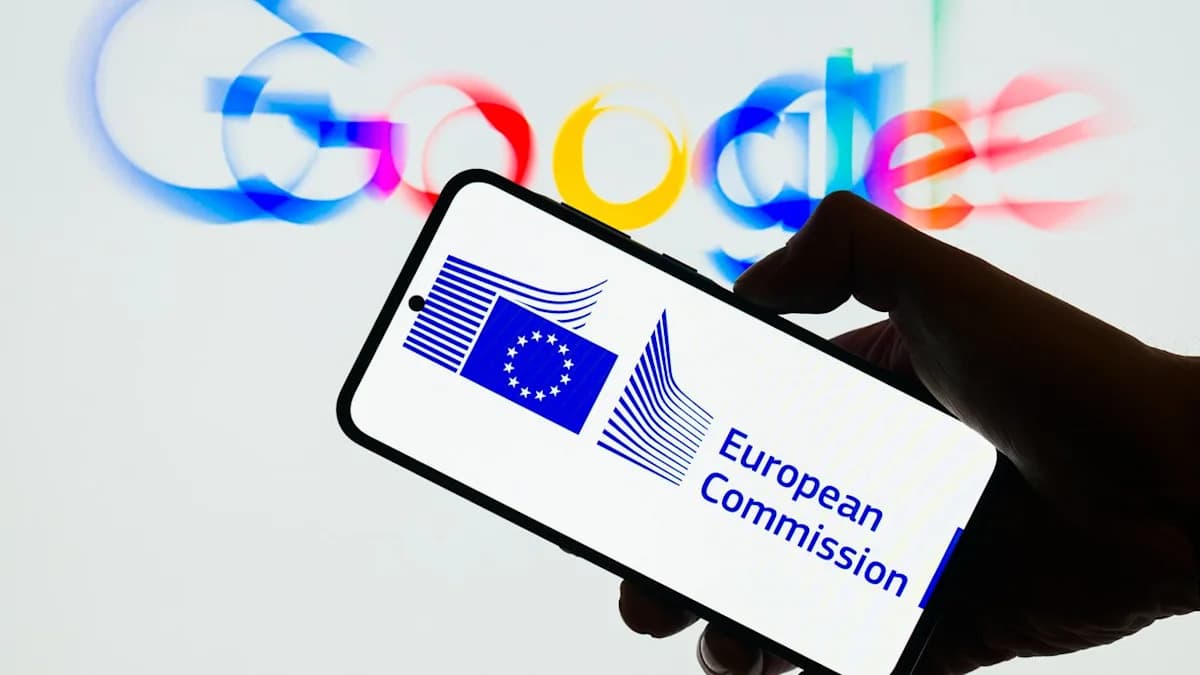
Global Regulatory Squeeze: US and EU Force Google to Open Android and Search to Rivals
US Court Orders Sweeping Google Play Overhaul
A United States federal judge has ordered Google to open its Google Play app store to competitors for a three-year period starting next month. The decision by Judge James Donato follows a landmark antitrust lawsuit brought against Google by Epic Games, the creator of the popular video game Fortnite.
In December, a jury sided with Epic Games, concluding that Google had illegally stifled competition by controlling app distribution and payment systems on Android devices. Under the new judicial order, which takes effect on November 1, Google is barred from paying developers to launch their apps exclusively on Google Play.
The tech giant must also stop forcing developers to use its proprietary billing system and allow them to inform users about cheaper, alternative payment methods. Furthermore, Google is required to let third-party Android app stores access its extensive app catalog and must host rival app stores directly on Google Play.
Google announced plans to appeal the ruling and seek a temporary pause on the ordered changes. The company argued that the court-ordered modifications would compromise consumer privacy and security, while also reducing competition across devices.
Critics of the company have long pointed to its transaction fees of up to 30 percent as a primary driver of higher prices for consumers. Lee Hepner, senior legal counsel at the American Economic Liberties Project, noted that Google was only able to charge such high rates because of its monopoly status.
Legal scholars view the ruling as a significant precedent for tech regulation. Rebecca Haw Allensworth, a professor at Vanderbilt Law School, stated that the decision demonstrates that courts are willing to force dominant platforms to share access with competitors in the interest of market fairness.
Stanford Law School professor Mark Lemley added that while antitrust laws do not typically require sharing catalogs, courts have the authority to mandate affirmative actions to correct the damage caused by illegal monopolistic behavior.
A Series of Antitrust Setbacks
The ruling in the Epic Games case represents just the latest in a string of legal challenges threatening Google's market dominance. Epic Games launched a similar lawsuit against Apple in 2020, though that case concluded with an appeals court ruling that Apple did not hold a monopoly in mobile gaming.
Meanwhile, Google is defending its position in several other high-profile government antitrust trials. In August, US District Judge Amit Mehta ruled in favor of the Department of Justice, finding that Google maintained an illegal monopoly over online search.
Additionally, District Judge Leonie Brinkema recently concluded hearings regarding federal allegations that Google holds an unlawful monopoly over the advertising technology sector.
Europe Demands Android and Search Access for AI Rivals
Across the Atlantic, European Union regulators have issued their own directives aimed at breaking Google's tight grip on Android and search data. The European Commission ordered Google to grant rival search engines and artificial intelligence assistants comparable access to Android features and search data.
The European rulings require Google to make it easier for Android users to set up and summon competing AI bots on their mobile devices. The orders stem from technical regulatory proceedings under the Digital Markets Act, which mandates that designated gatekeeper platforms must share system access with competitors.
Rather than imposing immediate financial penalties, the European Union is forcing Google to actively redesign how it operates its platforms. This regulatory shift could directly affect the growth of Google's Gemini AI assistant while paving the way for rivals to gain a stronger foothold in the mobile market.
As Google appeals in the United States and negotiates technical compliance in Europe, the tech giant faces a coordinated dismantling of the walled gardens that have protected its mobile and search monopolies for over a decade.
This digest was compiled from:
- https://finance.yahoo.com/economy/policy/articles/eu-orders-google-open-android-141104005.html
- https://techcrunch.com/2024/10/07/us-judge-orders-google-to-open-up-google-play-to-rivals
- https://finance.yahoo.com/technology/ai/articles/eu-orders-google-open-android-131301212.html
- https://www.youtube.com/watch?v=tPDQzs_UcqA
- https://www.facebook.com/washingtonpost/posts/europe-ordered-google-to-make-it-easier-for-users-of-its-android-phones-to-summo/1402682478390290
Share this digest
People Also Read
- UNILAG and Birmingham University to Offer Joint AI and Digital Media Masters Starting 2027
UNILAG and the University of Birmingham unveiled joint AI and digital media master’s programmes to start in Lagos in September 2027.
- NYSC to Deploy AI‑Powered System for Faster Online Registration
NYSC plans to add AI tools to its online registration portal, aiming for a faster, more efficient enrolment process for future corps members.
- Meta unveils Muse Spark Open, a massive open‑weight AI model built for Apple Macs
Meta unveiled Muse Spark Open, an 816‑billion‑parameter open‑weight model that runs on high‑end Macs for coding and media tasks.
Share your thoughts
Reactions, corrections, or insights — all welcome.