Inside the High-Stakes Legal and Political Battle Between Anthropic and the Pentagon
The Ultimatum and the Woke AI Dispute
A high-stakes dispute between the United States military and artificial intelligence firm Anthropic has escalated into a major legal and political battle. Defense Secretary Pete Hegseth delivered an ultimatum to Anthropic cofounder and CEO Dario Amodei, demanding the company grant the Pentagon full, unrestricted access to its AI models for all legal purposes by 5:01 p.m. on Friday, February 27, 2026. Hegseth, who raised concerns over what he described as woke AI, threatened to terminate up to 200 million dollars in government contracts and blacklist the company if it did not comply with the military's demands.
Safety Safeguards vs. Kinetic Military Use
Anthropic, which originally split off from OpenAI, refused to drop its safety safeguards. Amodei expressed deep ethical concerns over unregulated military use of advanced technology, pointing specifically to the dangers of fully autonomous drones armed with lethal weapons. He also warned that integrating AI into mass surveillance systems could end private life in the country and make a mockery of the Fourth Amendment. According to Vanessa Bausch, a researcher at the Bundeswehr University in Munich, the Pentagon's push for all lawful purposes suggests a desire to expand AI usage beyond intelligence, surveillance, and reconnaissance into kinetic operations. This could eventually lead to drones selecting and engaging targets across military domains without human operators, challenging long-standing U.S. policy that mandates appropriate levels of human judgment in autonomous weapon systems.
Trump's Ban and OpenAI's Classified Deal
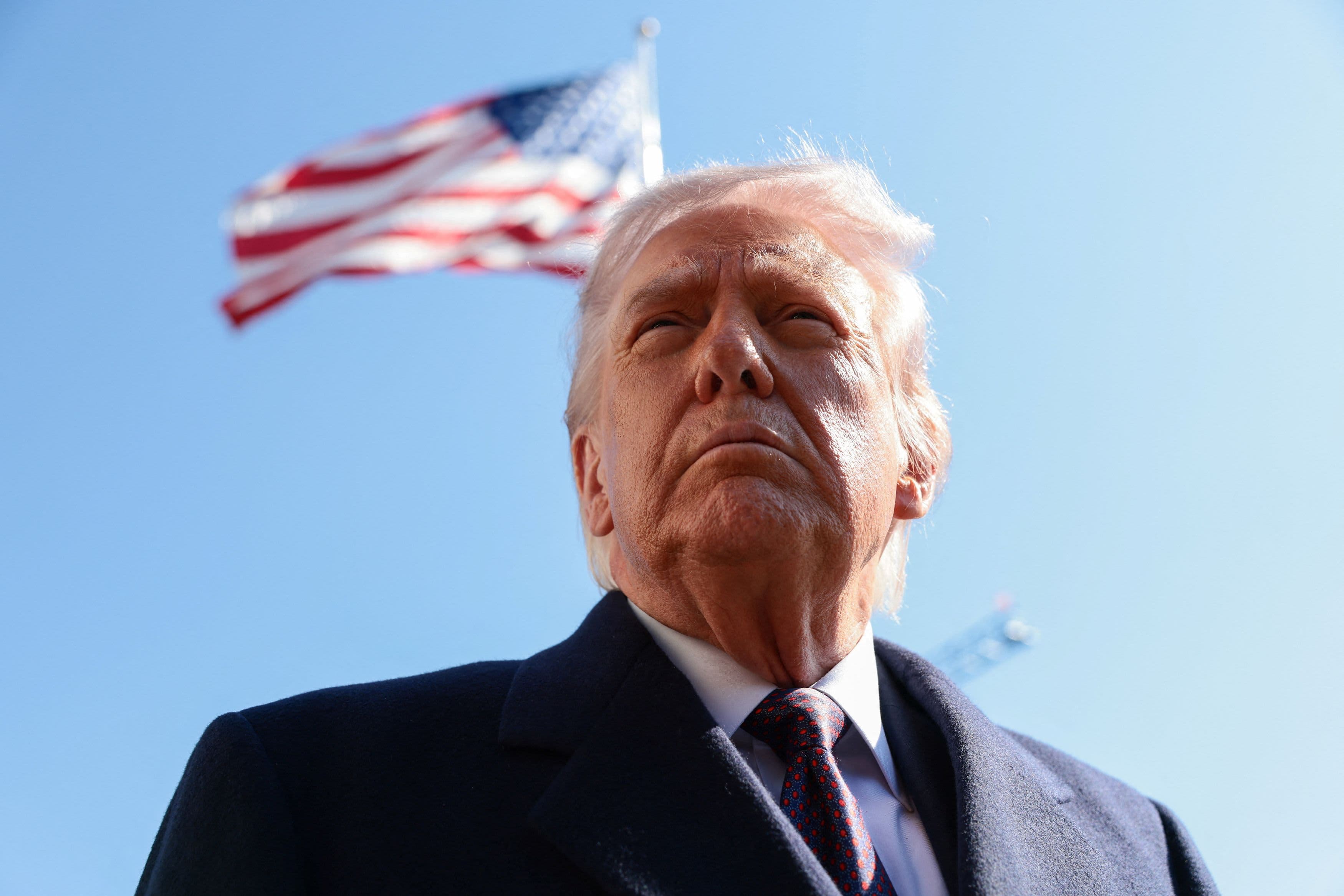
When the Friday deadline passed without Anthropic relenting, the Trump administration took swift retaliatory action. On February 27, 2026, President Donald Trump directed federal agencies to stop using Anthropic products, and Hegseth officially designated the firm a supply chain risk. The Pentagon also weighed invoking the Defense Production Act to force Anthropic to grant unrestricted access on national security grounds. Merely hours after the ban, Anthropic's primary rival, OpenAI, announced it had secured a deal with the Defense Department to provide its own AI technology for classified military networks.
Despite the blacklisting, the relationship between Anthropic and the government remained complicated. The Financial Times reported that Anthropic reopened talks with the Pentagon on March 4, while The Washington Post revealed that the company's Claude model was already being utilized in the ongoing war against Iran.
The Legal Showdown in Federal Court
On March 9, 2026, Anthropic filed dual lawsuits against the federal government in the Northern District of California and the Court of Appeals for the District of Columbia. The company argued that the supply chain risk designation caused irreparable harm and sought an immediate injunction. During a March 24 hearing in San Francisco, Northern District of California Judge Rita F. Lin expressed skepticism toward the government's approach. Judge Lin characterized the Pentagon's actions against Anthropic as troubling and questioned whether labeling the entire company a supply chain risk was a properly tailored response to the administration's national security concerns.
The ultimate resolution of this clash will determine whether private AI safety standards can survive the pressure of military mobilization, or if national security mandates will always override corporate ethics.
This digest was compiled from:
- https://www.cnbc.com/2026/02/27/trump-anthropic-ai-pentagon.html
- https://www.youtube.com/watch?v=klozK71M7-E
- https://www.youtube.com/watch?v=DC6OSydJQCA
- https://san.com/cc/how-anthropic-will-lose-more-than-200-million-if-it-refuses-pentagon-demands
- https://www.npr.org/2026/02/27/nx-s1-5729118/trump-anthropic-pentagon-openai-ai-weapons-ban
Share this digest
People Also Read
- Amazon and Alphabet Poised to Gain From Anthropic’s Upcoming IPO
Anthropic, the AI startup behind the Claude series, is aiming for an initial public offering in the later months of 2026...
- Broadcom agrees to provide Anthropic with up to $42 billion for chip‑leasing, extending circular financing trend
Broadcom will lend Anthropic up to $42 billion for chip leasing, highlighting the rise of circular financing in AI compute markets.
- Three ETFs Likely to Add Anthropic Following Its October IPO
Anthropic’s $2 trillion IPO could land it in major ETFs within weeks, offering investors indirect early exposure.
Share your thoughts
Reactions, corrections, or insights — all welcome.