Securing the Physical Frontier: How Nvidia is Steering Both AI Automation and Safety Standards
The Transition to Autonomous Physical AI
The rapid expansion of artificial intelligence into physical environments has forced the technology sector to confront massive coordination and security challenges.
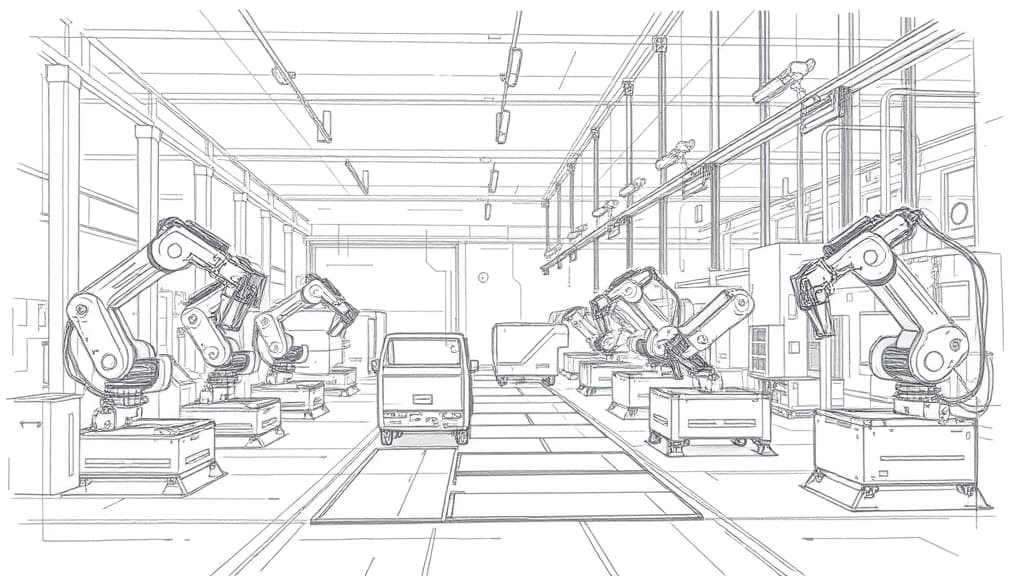
At the CES 2026 event, Nvidia Chief Executive Officer Jensen Huang greeted the audience with "Hello, Las Vegas" before showcasing how the company is driving this transition of AI into real-world factories and manufacturing systems.
Using tools like the Omniverse simulation platform, Isaac Sim, and the Cosmos foundation model, the technology provider is shifting AI from digital screens into physical automation.
To embed these agentic systems into the industrial life cycle, the company is partnering with major industry players including Seammens, Cadence, and Synopsis.
These collaborations aim to integrate next-generation robotics, AI-powered vehicles, and AI physics directly into industrial workflows.
Nvidia is leveraging its complex history and its extensive product families to support these physical AI systems with robust open-source software support.
However, as autonomous agents gain physical capabilities and begin operating in actual manufacturing plants, the risks associated with their deployment multiply.
Securing the Agentic Frontier
To address these emerging security threats, Nvidia has spearheaded the creation of the Open Secure AI Alliance.
Within just one week of its formation, the alliance has rapidly expanded to include over 120 companies and industry leaders.
This swift mobilization highlights the urgent industry need to standardize AI defense mechanisms against autonomous agents.
The alliance has already established its first working group, known as the Shared AI Findings Exchange.
Managed by The Linux Foundation, this working group is already presenting its initial proposals for open public comment.
These proposals focus on creating standardized protocols for reporting AI cybersecurity incidents and establishing blame-free analysis frameworks.
By establishing these shared protocols, the group hopes to create a unified front against vulnerabilities introduced by autonomous AI agents.
Navigating Regulatory and Governance Hurdles
Establishing international security standards for autonomous systems requires navigating complex regulatory friction and liability risks.
The Open Secure AI Alliance aims to address these challenges by proposing concrete technical frameworks and international legal standards.
Because modern AI systems possess dual-use capabilities, they present unique national security risks that standard software security protocols cannot fully address.
By offering structured vulnerability management and incident reporting through the Shared AI Findings Exchange, the consortium seeks to mitigate these governance risks.
Nvidia is leveraging its deep involvement in deep learning, robotics, and automotive technologies to guide these security standards.
This dual approach of building autonomous physical systems while simultaneously constructing their defense frameworks represents a coordinated effort to stabilize the industry.
What Lies Ahead for Industrial AI
The success of these initiatives will depend on how quickly the 120 member companies can implement these proposed defense mechanisms.
As autonomous robots and simulated environments become standard in manufacturing, the industry must establish clear boundaries of liability.
The technical frameworks proposed by the alliance will serve as a test case for whether self-regulation can outpace government policy.
Industry observers will be watching how these security standards integrate with the physical deployments demonstrated at CES 2026.
Why This Matters: As autonomous AI agents move from virtual environments into physical factories, establishing unified security standards is critical to preventing systemic industrial failures. Readers should watch how quickly the Open Secure AI Alliance translates its initial proposals into binding industry practices.
This digest was compiled from:
- https://ground.news/article/nutanix-joins-nvidia-led-open-secure-ai-alliance
- https://www.facebook.com/techcrunch/posts/the-week-old-open-secure-ai-alliance-spearheaded-by-nvidia-and-grown-to-over-120/1395121172481746
- https://techcrunch.com/2026/08/04/nvidia-doesnt-mess-around-a-week-after-open-ai-industry-group-formed-its-already-showing-progress
- https://www.linkedin.com/posts/ymaeda_nvidia-doesnt-mess-around-a-week-after-activity-7490560128958713856-xqt9
- https://en.wikipedia.org/wiki/Nvidia
Share this digest
People Also Read
- OpenAI’s 2026 DevDay: Major Unveilings and Key Takeaways
OpenAI held its annual DevDay on September 29, 2026 in San Francisco, marking the company’s most high‑profile event of t...
- Anthropic’s IPO filing mixes massive losses, soaring revenue and a direct warning that its AI could threaten humanity
Anthropic’s IPO prospectus reveals huge losses, rapid revenue growth and, for the first time, an explicit warning that its AI could end humanity.
- Leo Stan Ekeh Opens AI Learning Centres at Two Lagos Secondary Schools
Leo Stan Ekeh’s foundation opened AI‑enabled learning centres in two Lagos schools, pairing renewable power and Starlink internet to boost digital education.
Share your thoughts
Reactions, corrections, or insights — all welcome.