Nigeria Escalates Scrutiny of Global Tech Giants Over Competition, Content, and Consumer Rights
Presidential Directive Targets Big Tech
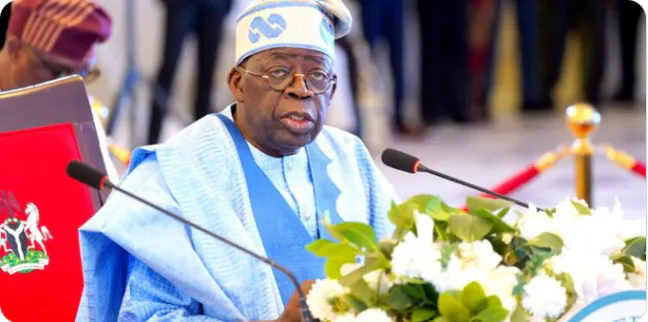
President Bola Tinubu has directed the Federal Competition and Consumer Protection Commission (FCCPC) to initiate an investigation into several major global technology companies and Generative Artificial Intelligence platforms. This directive, conveyed by the Minister of Information and National Orientation, Mohammed Idris, follows a joint petition submitted to the Presidency by the Nigerian Press Organisation (NPO).
The NPO, an umbrella body comprising the Newspaper Proprietors’ Association of Nigeria (NPAN), the Nigeria Union of Journalists (NUJ), the Broadcasting Organisations of Nigeria (BON), and the Guild of Corporate Online Publishers (GOCOP), raised concerns about anti-competitive practices and the unlawful use of content belonging to Nigerian media organizations. The petition specifically names companies such as Meta, Alphabet, and X (formerly Twitter), along with certain Generative AI platforms operating in Nigeria. Allegations include practices that could undermine fair competition, threaten the commercial viability of Nigerian media organizations, and violate the rights of content creators and publishers. The investigation aims to examine the growing influence of these digital platforms on the sustainability of the country’s news ecosystem.
Expanded Calls for Accountability from Civil Society
Further underscoring these concerns, the Socio-Economic Rights and Accountability Project (SERAP) has also urged the FCCPC to investigate a broader array of major technology companies. In a complaint dated February 28, 2026, and signed by its Deputy Director, Kolawole Oluwadare, SERAP called for probes into Google, Meta (Facebook), Apple, Microsoft (Bing), X (formerly Twitter), TikTok, Amazon, and YouTube. SERAP’s complaint alleges that these companies use opaque algorithms and market dominance to harm Nigerian media, businesses, and citizens’ rights.
SERAP's appeal to FCCPC Executive Vice Chairman and Chief Executive Officer, Tunji Bello, highlights concerns over unfair market practices, algorithmic influence, consumer harm, and abuses of media freedom, freedom of expression, privacy, and access to information. The organization argues that opaque algorithms, offshore revenue extraction, and hidden data practices allow these platforms to shape public discourse and market competition without adequate transparency or oversight. Millions of Nigerians depend on these platforms for news, information, and business opportunities, making their conduct not just economic but human rights issues affecting media plurality, consumer protection, privacy, and democratic integrity. SERAP has also requested a public hearing into these allegations, citing similar investigations by the South African Competition Commission into Google that led to remedies like algorithmic transparency and monetary redress.
Recent Enforcement Precedent: Meta/WhatsApp Fine Upheld
The FCCPC's authority in regulating these digital giants was recently reinforced by a significant ruling from the Competition and Consumer Protection Tribunal. On April 25, 2025, the Tribunal upheld a $220 million administrative penalty imposed by the FCCPC against Meta Platforms Incorporated and WhatsApp LLC. This ruling followed a comprehensive 38-month investigation, which began in 2020, conducted by the FCCPC in collaboration with the Nigeria Data Protection Commission (NDPC). The investigation concluded that Meta and WhatsApp engaged in discriminatory and exploitative practices against Nigerian consumers, including unauthorized data sharing and inadequate consent mechanisms related to WhatsApp’s 2021 Updated Privacy Policy. The policy allowed Meta to tie and transfer data from WhatsApp to Facebook and other third-party services without explicit user consent.
The FCCPC had initially issued its Final Order on July 19, 2024, imposing the fine and mandating an immediate cessation of the data tying and transfer practices. The Tribunal, led by Honorable Thomas Okosun, affirmed that the FCCPC acted within its statutory mandate under the Federal Competition and Consumer Protection Act (FCCPA) of 2018 and correctly identified the violations. In addition to the $220 million penalty, the Tribunal awarded $35,000 to the FCCPC to cover investigation costs.
FCCPC Pledges Impartial Investigation
In response to the presidential directive, FCCPC Executive Vice Chairman and Chief Executive Officer, Tunji Bello, affirmed the commission's commitment to conducting an independent, transparent, and evidence-based investigation. Bello emphasized that the inquiry is not based on a presumption of wrongdoing but rather an opportunity to objectively determine the facts, hear from all affected parties, and ensure competition within the digital ecosystem remains fair, transparent, and consistent with Nigerian law. The investigation will determine if any alleged practices violate the Federal Competition and Consumer Protection Act (FCCPA) 2018 or other applicable laws. The unfolding inquiries highlight Nigeria's proactive stance in addressing the complex challenges posed by dominant digital platforms.
This digest was compiled from:
- https://dailytrust.com/tinubu-orders-fccpc-to-investigate-big-tech-firms
- https://tribuneonlineng.com/breaking-tinubu-orders-fccpc-to-investigate-big-tech-companies/amp
- https://punchng.com/probe-google-meta-others-over-media-consumer-harms-serap-urges-fccpc
- https://fccpc.gov.ng/violations-tribunal-upholds-fccpcs-220-million-fine-against-meta-whatsapp
- https://independent.ng/serap-urges-fccpc-to-probe-google-meta-over-privacy-media-concerns
Share this digest
People Also Read
- Cantina unveils open‑weight model for vulnerability research
Cantina released the open‑weight apex‑flash‑1 model, claiming higher security task success and lower evaluation costs than leading hosted alternatives.
- OpenAI confirms GPT‑6.1 Sol Ultrafast will arrive soon, but pricing and date remain unclear
OpenAI confirms its GPT‑6.1 Sol Ultrafast speed tier is imminent but provides no price or exact launch date.
- Cotool builds configurable AI agents to automate repetitive security investigations
Cotool builds configurable AI agents to automate repetitive security investigations, letting teams reuse analyst expertise while retaining control and auditability.
Share your thoughts
Reactions, corrections, or insights — all welcome.