Why today’s tech backlash stands out
Listener engagement drives the mailbag
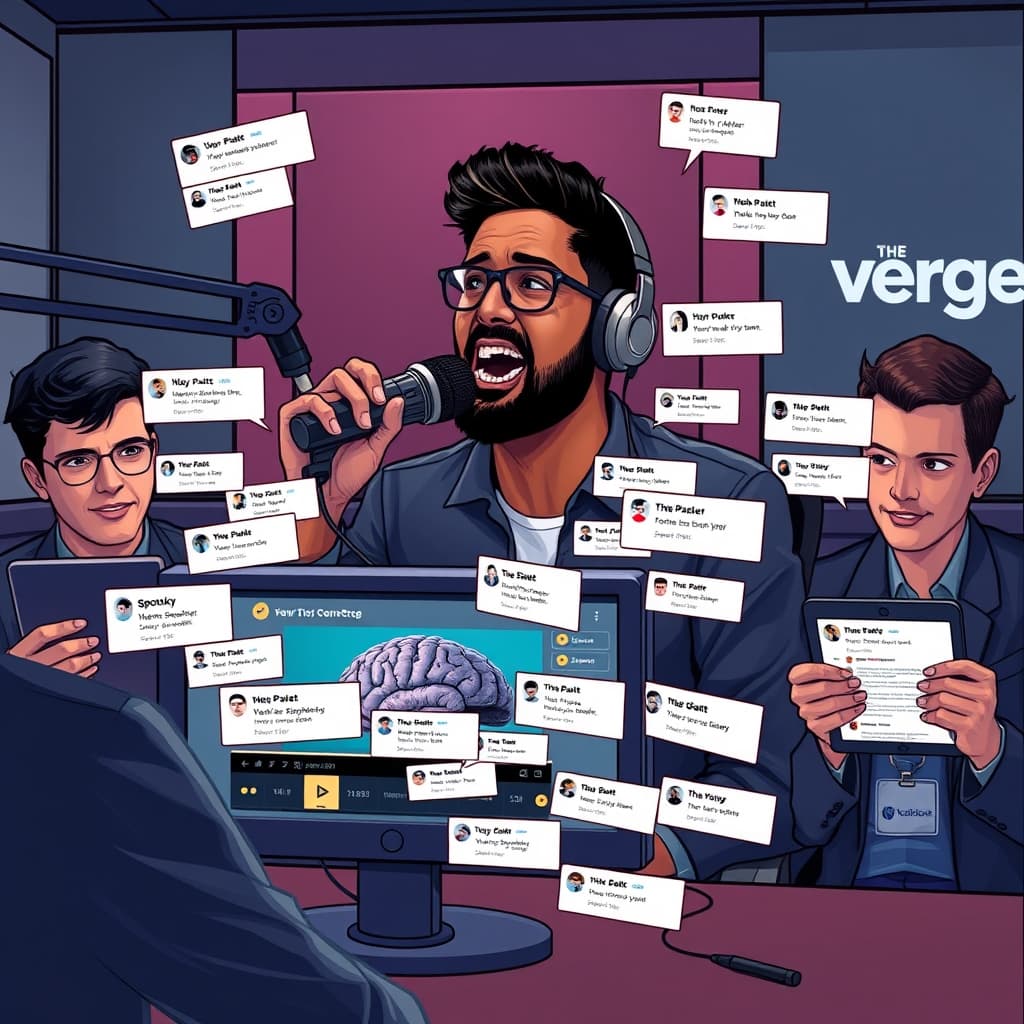
Decoder, the podcast hosted by Nilay Patel on The Verge, recently released a mail‑bag episode to field audience questions about AI, surveillance and the current tech backlash.
Nick Statt introduced himself as senior producer and noted that Greg Ott had joined as the brand‑new supervising producer.
Greg Ott greeted Nilay by saying, “It’s true. We don’t consistently say my name in the show enough.
We should do it all the time.
Nilay Patel responded that the show’s title already includes his name, adding a light‑hearted reminder that “I am the person who hosts the show, and his name is also in the show.”
The trio explained that they receive feedback from a variety of platforms, including YouTube comments, Verge article comments, Spotify remarks, as well as posts on Bluesky and Threads.
Statt emphasized that they “read every one” of the Spotify comments because they tend to be “pretty pointed.”
Ott likened the Spotify feedback to “uncut gems,” noting that fewer comments can sometimes be more insightful than a flood of YouTube remarks.
Statt recalled that the previous mail‑bag episode aired in April and that they promised to do more of these sessions, prompting the September follow‑up.
He highlighted that the show has conducted “a lot of really big interviews” since then, setting the stage for the current listener‑driven discussion.
The “software brain” episode sparks the most chatter
The “software brain” video, released earlier this year, emerged as the most talked‑about Decoder episode in the past six months.
According to the hosts, the segment generated “hundreds of comments on The Verge website, hundreds of comments on YouTube, single to double‑digit comments on Spotify, and lots and lots of emails.”
Positive reactions dominated the feedback, with listeners sending messages such as “Attaboy” and a nostalgic email that began, “Hi Dean — saying how much he liked our Kathy Hochul episode.”
Despite the overall enthusiasm, the team also received a handful of negative remarks on The Verge, which they said they would address later in the episode.
The high volume of engagement signals that the audience is deeply invested in how the show interprets emerging tech trends.
Nilay’s rants become a signature element
One listener wrote, “Just listened to ‘People do not yearn for automation,’ and all I can say is the people do yearn for more Nilay rants,” prompting the hosts to explore the origin of these hot takes.
Patel admitted that the rants are a deliberate part of the show’s DNA, describing them as “very pointed” essays delivered on YouTube.
He compared the style to a “Dennis Miller” routine, joking that “the power of AI means Dennis Miller can deliver software right now.”
Ott suggested a playful sketch, saying, “Let me tell you something, babe. Sam Altman, the last time he was sitting in a Whataburger…” while acknowledging the risk of legal trouble.
Both hosts agreed that the rants provide a focused lens on complex topics, allowing listeners to grasp nuanced arguments without the length of a full interview.
Interpretation: By foregrounding Nilay’s incisive commentary, Decoder differentiates itself from other tech podcasts that rely solely on guest interviews.
Interpretation: This format may resonate with a public that is increasingly skeptical of tech hype, thereby shaping the perceived “backlash” as more conversational than confrontational.
Interpretation: The blend of audience‑driven Q&A and host‑led rants creates a feedback loop that both reflects and influences how listeners process tech policy debates.
Why This Matters: The episode shows that direct listener interaction and sharp host commentary are redefining how tech media address growing public scrutiny of AI and surveillance.
This digest was compiled from:
Share this digest
People Also Ask
- Apple introduces iPhone camera mode that verifies photos aren’t AI‑generated
Apple’s iPhone 18 Pro adds a Reference Image mode that cryptographically signs each pixel to prove photos aren’t AI‑generated.
- Anthropic safety researcher says AI has over 10% chance of wiping out humanity by decade’s end
Anthropic safety staff warn AI has over a 10% chance of killing humanity by decade’s end, amid a risky industry race.
- Anthropic brings Chrome veteran Addy Osmani on board to enhance Claude Code
Addy Osmani joins Anthropic to apply his Google developer‑tools expertise to improve Claude Code’s usability and reliability.
Share your thoughts
Reactions, corrections, or insights — all welcome.